




Professional Lead Paint Preparation Services in Minnesota and Wisconsin
Safe, Careful Preparation for Older Painted Surfaces
Older homes have unique charm, beautiful woodwork, and lasting character. However, many homes built before 1978 may contain lead-based paint. When these surfaces need repairs or fresh paint, proper preparation is essential.
At Beacon Finishes, we understand that a quality paint job starts with careful surface preparation. Older painted surfaces require extra attention, especially when lead-based paint may be present.
We help homeowners and business owners throughout western Wisconsin and eastern Minnesota plan painting and finishing projects with safety in mind.
Whether you want to repaint your home's interior, refresh exterior trim, or update an older commercial building, it is important to address potential lead hazards before work begins.
Contact Beacon Finishes today to discuss your painting project and learn about the next steps for proper surface preparation.
What Is Lead Paint Preparation?
Lead paint preparation involves evaluating and preparing painted surfaces that contain or may contain lead-based paint.
Before 1978, lead was commonly used in residential paint. Although lead-based paint was banned for consumer use in homes, many older buildings still contain it beneath newer paint layers.
When lead paint is disturbed, it can release harmful dust and paint chips.
Common renovation tasks, including sanding, scraping, cutting, and removing painted materials, can create lead hazards if performed without proper precautions.
Lead-safe preparation uses regulated work practices to help control dust and protect the surrounding area.
The correct approach depends on the building, surface condition, and type of renovation.
Why Lead-Safe Preparation Matters
Preparing older painted surfaces is about more than creating a smooth finish.
Helps Reduce Lead Dust Exposure
Lead dust can spread during renovation work and settle on floors, furniture, and other surfaces.
Proper containment and cleaning methods help reduce the risk of exposure.
Protects Families and Building Occupants
Lead exposure can cause serious health problems.
Young children and pregnant people face particular risks, but lead exposure can harm people of all ages.
Using qualified professionals for regulated work helps protect those who live or work in the building.
Supports Better Painting Results
New paint needs a suitable surface to bond properly.
Loose paint, damaged materials, and surface contamination can affect the finished result.
Careful evaluation helps determine which preparation methods are both safe and suitable for the project.
Helps Meet Safety Requirements
Lead-related renovation work is subject to federal and state rules.
Covered projects may require certified firms, trained renovators, containment, approved work methods, and cleaning verification.
Lead abatement has separate requirements and certifications.
Signs Your Property May Need Lead-Safe Preparation
You cannot identify lead paint by color or appearance alone.
However, certain conditions may indicate that additional evaluation is needed.
Older Construction
Homes built before 1978 are more likely to contain lead-based paint.
Peeling Paint
Loose paint may create chips and dust.
Worn Window Frames
Friction from opening windows can disturb painted surfaces.
Damaged Trim
Older baseboards and door frames may have several layers of paint.
Exterior Paint Failure
Peeling siding and trim can release paint debris around the property.
A qualified lead inspector or risk assessor can help determine whether lead is present.
Interior Lead Paint Preparation
Older interior surfaces often need careful evaluation before painting or remodeling.
Walls and Ceilings
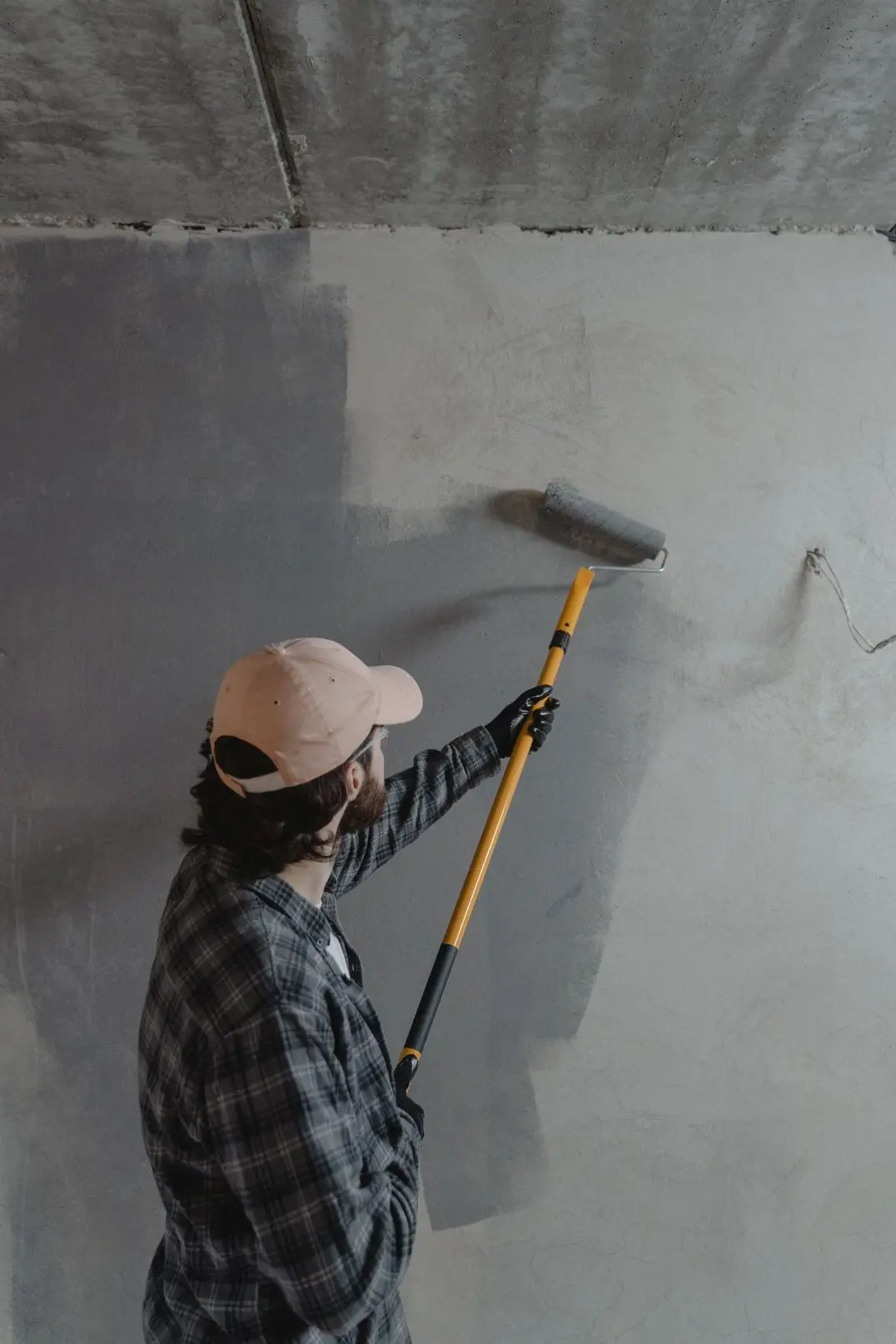
Walls and ceilings may have several layers of old paint.
Repairs, sanding, or other work that disturbs these layers can create dust.
Lead-safe methods may be required before applying a new finish.
Doors and Door Frames
Doors receive frequent use and can develop chipped or worn paint.
Older painted door frames may need special attention before refinishing.
Windows and Window Trim
Windows are common areas of concern because painted surfaces can rub together.
Proper evaluation is important before repairs, painting, or replacement.
Baseboards and Decorative Woodwork
Older homes often feature detailed wood trim.
Preparing these surfaces requires care to preserve their appearance while following applicable lead safety rules.
Exterior Lead Paint Preparation
Exterior surfaces face rain, snow, sunlight, and changing temperatures.
Over time, old paint may crack, peel, or separate from the surface.
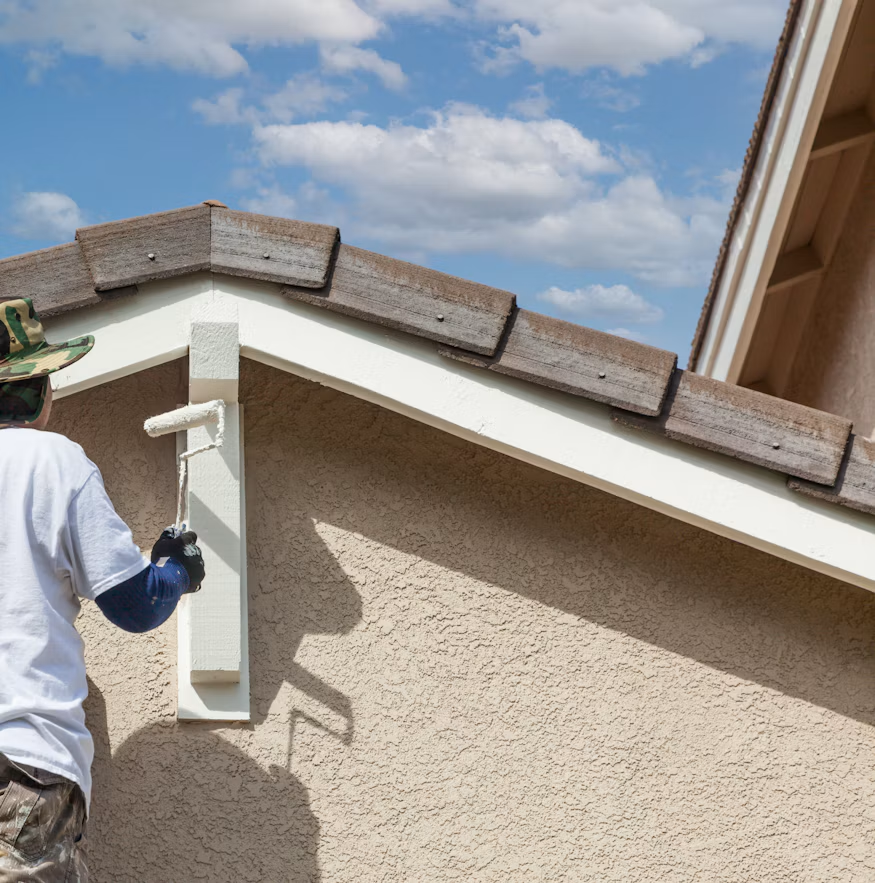
Lead-based paint on siding, doors, windows, and exterior trim can create hazards when disturbed.
Improper preparation may spread paint chips and dust onto lawns, soil, sidewalks, and nearby areas.
Lead-safe exterior work may require containment, careful debris collection, and approved cleaning methods.
Proper planning helps protect the property and surrounding environment during renovation.
The Lead-Safe Paint Preparation Process
Every project is different. The correct steps depend on the surface, building age, and applicable regulations.
1. Evaluate the Existing Paint
The process begins with reviewing the building's age and the condition of its painted surfaces.
Testing or an inspection may be needed to determine whether lead-based paint is present.
2. Determine the Required Work Practices
If the project involves regulated lead-related work, the appropriate certified professionals must be involved.
The work plan should address the type of surface, expected disturbance, and safety requirements.
3. Protect the Work Area
Lead-safe renovation may require containment to help keep dust and debris from spreading.
Work areas must be prepared according to the applicable rules.
4. Prepare Painted Surfaces
Qualified workers use permitted methods to address loose paint and prepare surfaces.
The goal is to create a suitable surface for the next finish while limiting dust and contamination.
5. Complete Required Cleaning
Cleaning is an important part of lead-safe work.
Depending on the project, cleaning verification or clearance testing may be required before the area returns to normal use.
6. Apply the New Finish
Once the surface is properly prepared and the required safety steps are complete, painting or finishing can move forward.
Lead-Safe Renovation vs. Lead Abatement
Lead-safe renovation and lead abatement are not the same service.
Lead-Safe Renovation
Lead-safe renovation covers certain repairs, painting, and remodeling activities that disturb lead-based paint. These projects may fall under the EPA's Renovation, Repair and Painting Rule or applicable state programs.
Lead Abatement
Lead abatement is specialized work intended to permanently eliminate lead-based paint hazards.
Lead abatement requires separate qualifications and may involve additional testing and clearance procedures.
It is important to choose professionals with the correct certifications for the work being performed.
Why Choose Beacon Finishes for Your Painting Project?
At Beacon Finishes, we know that lasting results begin with proper planning.
Surface Preparation Matters: We understand that the condition of the existing surface affects the finished result.
Attention to Detail: We focus on the details that help create clean, attractive painted surfaces.
Interior and Exterior Painting: Our painting services can support improvements throughout your property.
Residential and Commercial Projects: We help homeowners and business owners plan property updates.
Quality-Focused Finishes: Our goal is to create results that improve the appearance of your space.
When a project involves regulated lead work, the required certifications and work practices must be confirmed before work begins.
Frequently Asked Questions About Lead Paint Preparation
01 Do all homes built before 1978 have lead paint?
No. However, older homes are more likely to contain it. Testing can help confirm whether lead-based paint is present.
02 Can I sand old paint before repainting?
Sanding suspected lead-based paint can release harmful dust. Do not disturb the surface until the appropriate safety requirements have been determined.
03 Can lead paint be painted over?
In some cases, intact lead-based paint can remain beneath a new finish. However, ordinary painting does not permanently eliminate a lead hazard.
04 Is lead-safe preparation the same as lead removal?
No. Lead-safe preparation focuses on managing the risks of disturbing painted surfaces during renovation. Lead removal or abatement may involve different methods and certifications.
Serving Western Wisconsin and Eastern Minnesota
Beacon Finishes serves communities throughout western Wisconsin and eastern Minnesota.
Our service area includes Hudson, River Falls, New Richmond, Somerset, Ellsworth, Stillwater, Woodbury, Lake Elmo, Hastings, Afton, White Bear Lake, and surrounding areas.
Older homes and commercial buildings throughout these communities may contain lead-based paint.
Before updating these properties, proper surface evaluation can help identify the safest approach.
Discuss Your Lead Paint Preparation Needs With Beacon Finishes
Updating an older home or building should begin with a clear plan.
At Beacon Finishes, we understand the importance of careful surface preparation and quality painting. When lead-based paint may be present, identifying the correct safety requirements is an important first step.
Whether you want to refresh interior walls, repaint older trim, or improve your property's exterior, we are ready to discuss your project.
Contact Beacon Finishes today to request a painting consultation and learn about the next steps for your older property.